.png?width=140&height=140&name=780%20(8).png "780 (8)")
About Us
Our mission
To help children and the communities around them stay grounded, keep learning, and build lasting resilience as the climate changes.
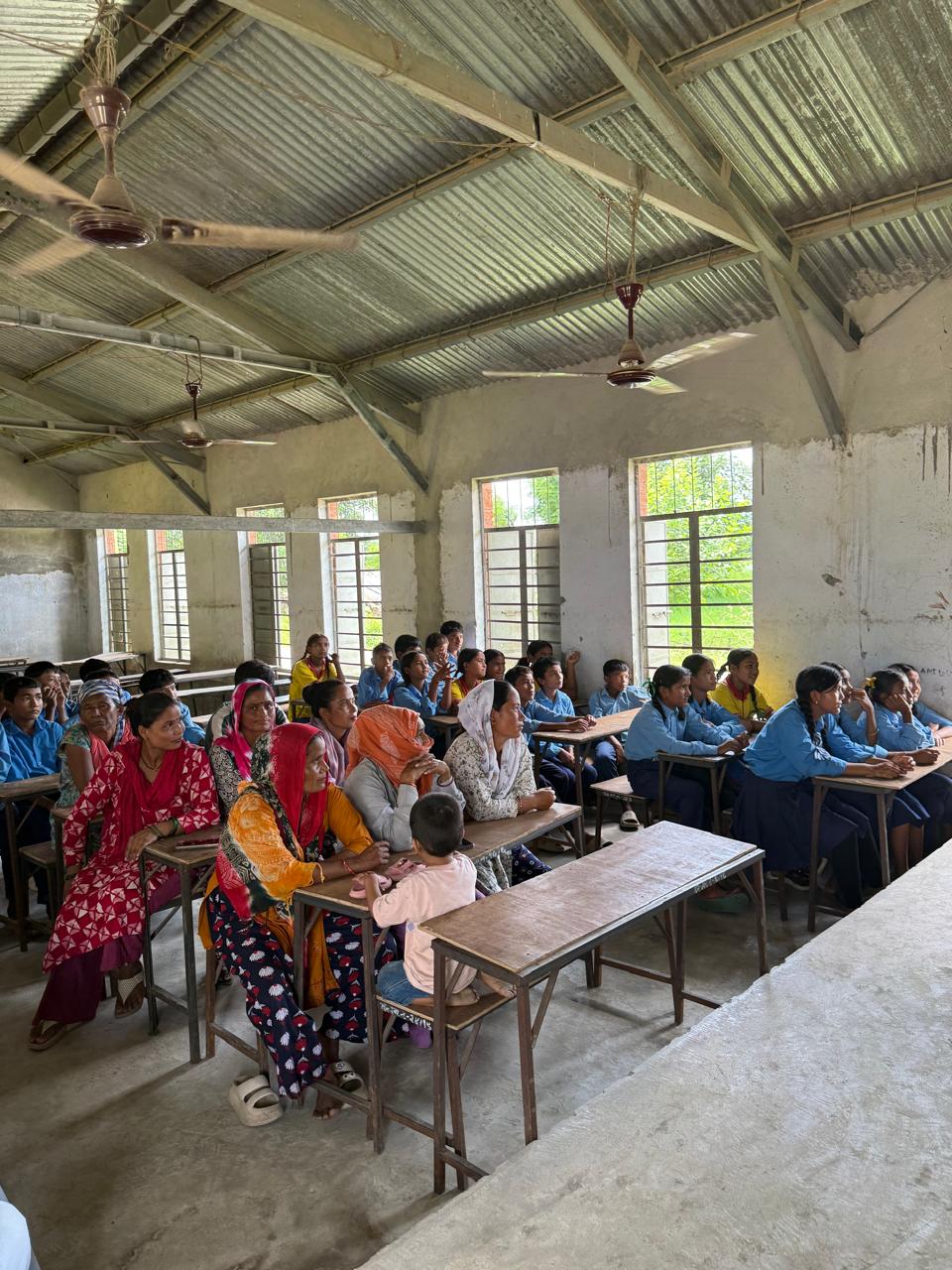
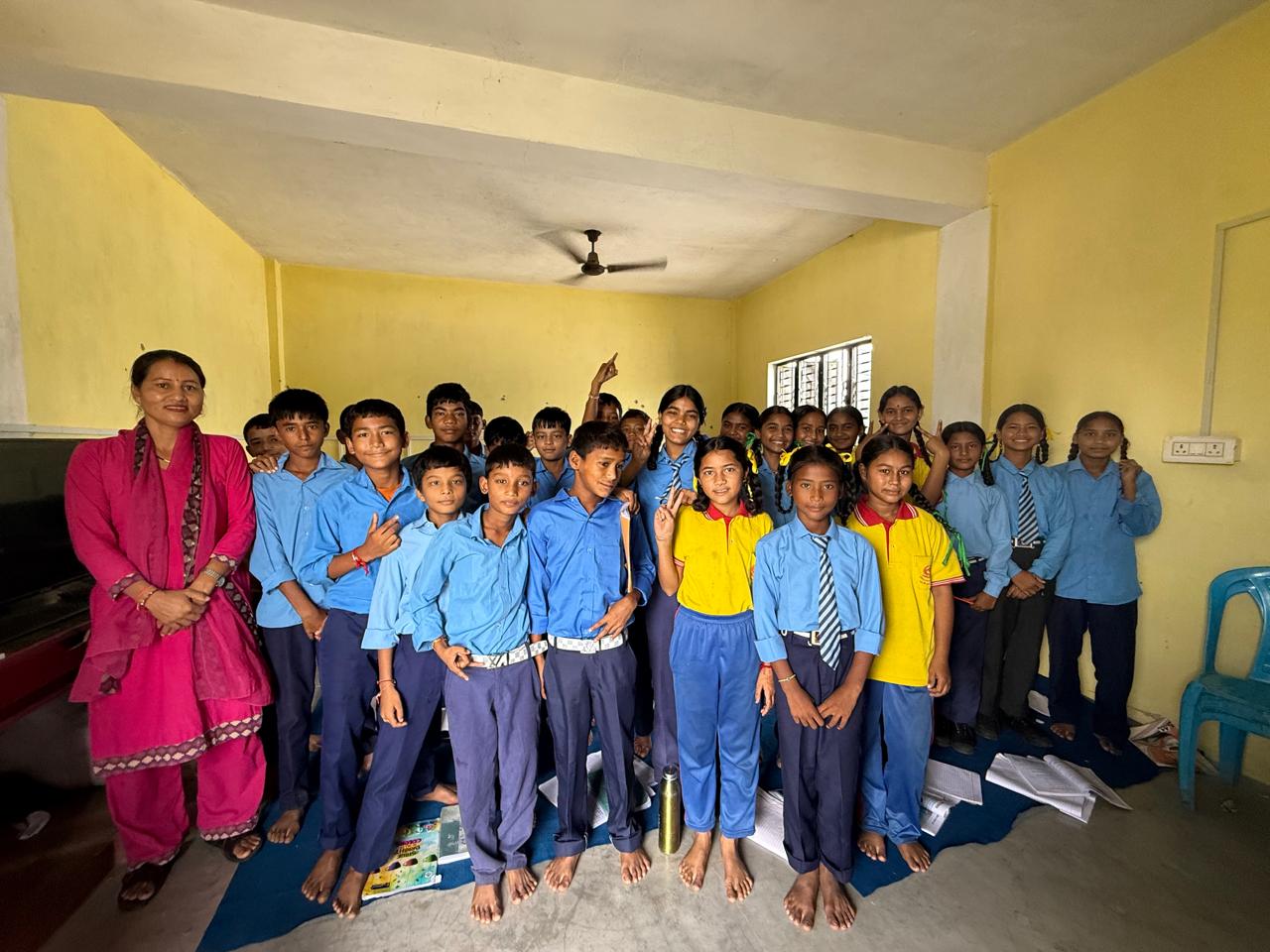
ReGen Climate Lab began in schools, embedding climate understanding, emotional steadiness, and leadership into everyday learning even when routines are disrupted. That work is now growing outward, into how communities and local systems adapt and respond.
Our vision
A future where no child's education collapses when the climate becomes unstable.
A future where children understand their environment, feel capable during uncertainty, and where the communities and local institutions around them are ready to adapt, not just endure.
Our process
We design climate work for real conditions, where power cuts happen, internet is unreliable, and disruption is routine.
Our approach combines:
-
Climate literacy grounded in local realities.
-
Emotional steadiness as a foundation for learning.
-
Leadership and action built through practice, not lectures.
-
Connecting what communities know to the local decisions that shape how a place adapts.
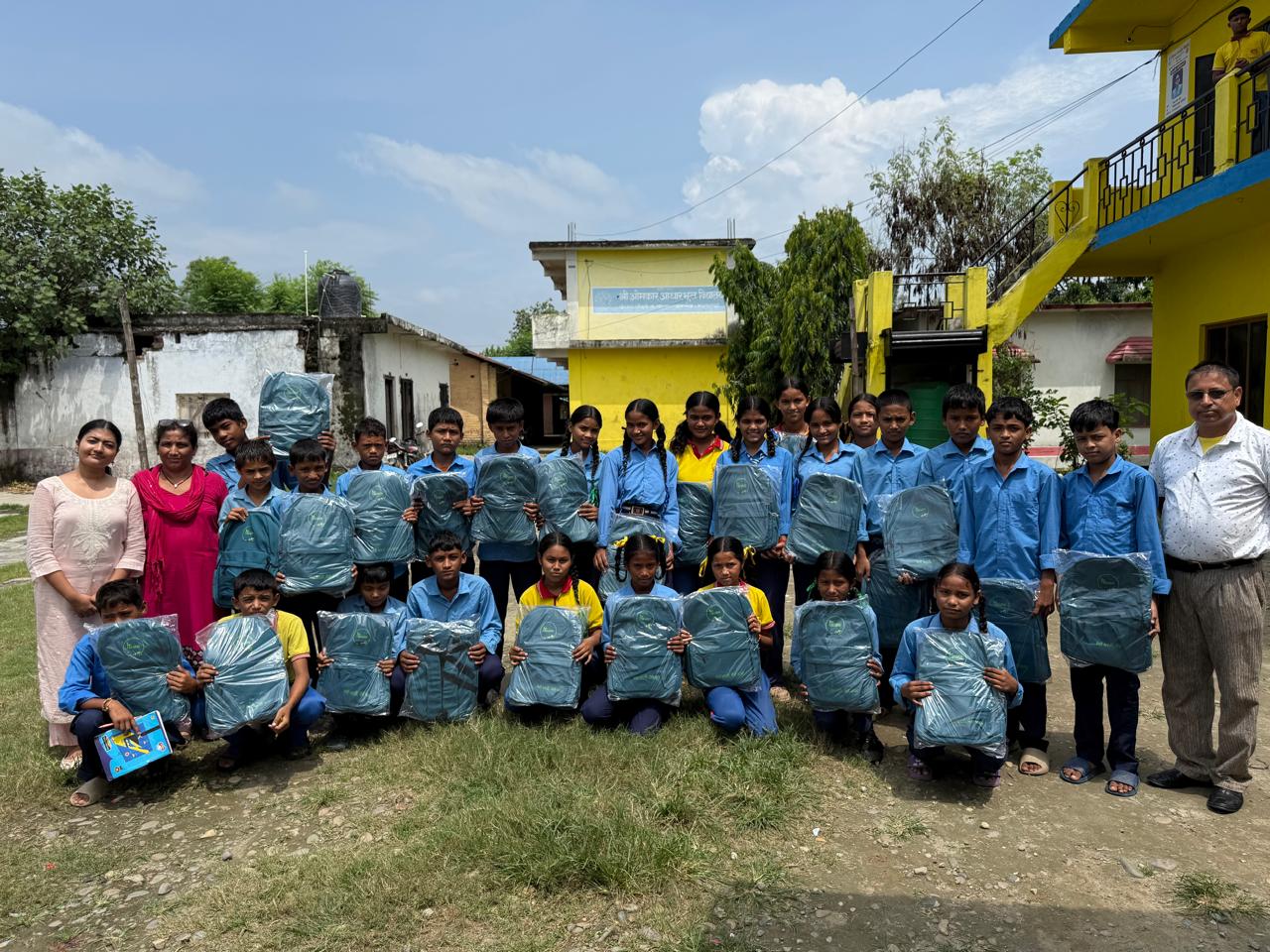
We work directly with teachers, schools, communities, and local governments, so climate action stays practical, trusted, and useful over time.
But we can make sure children keep their learning, confidence, or agency, and that the communities around them are ready to adapt.
Meet our Team
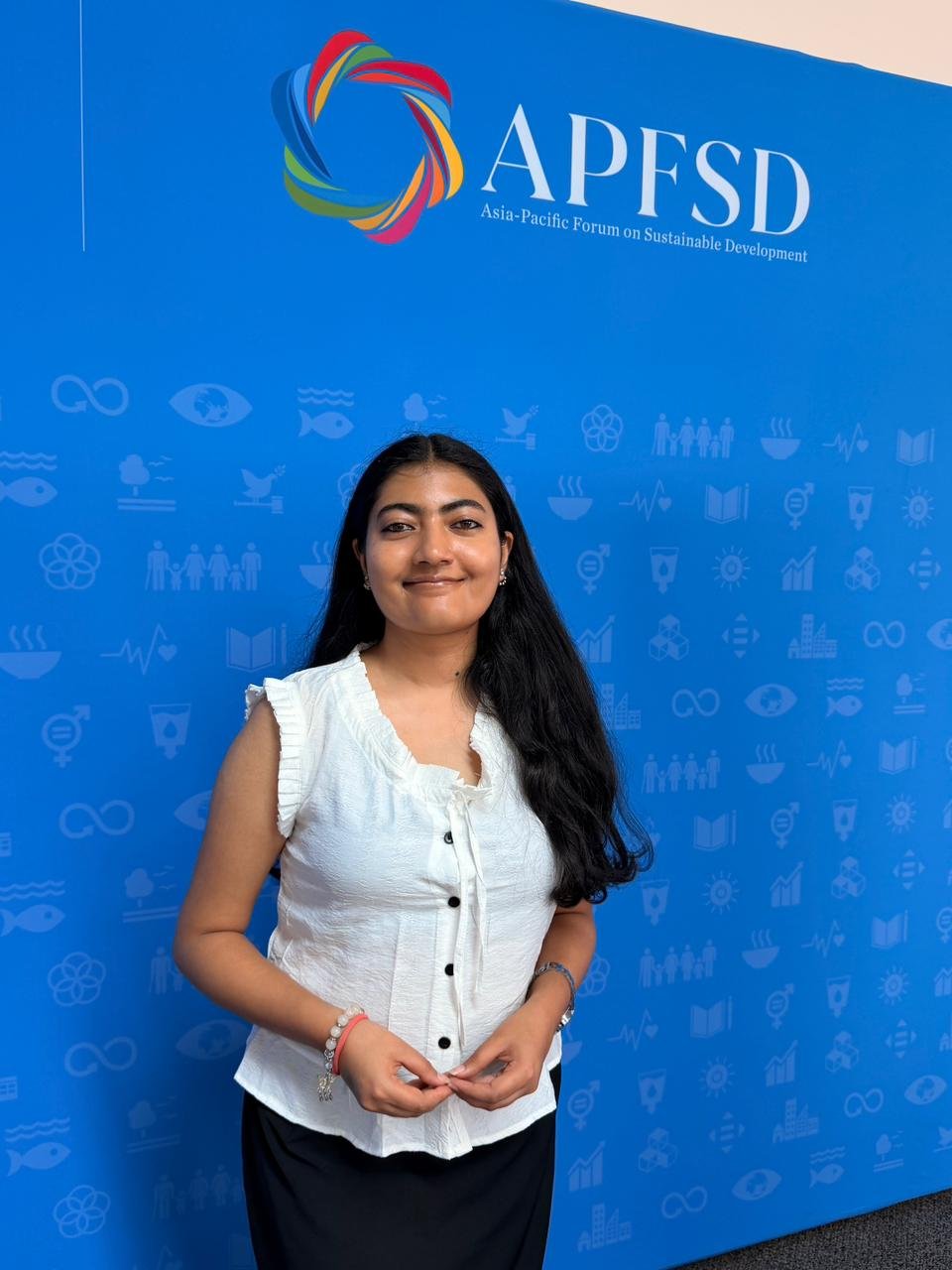
Aakriti Pant
Founder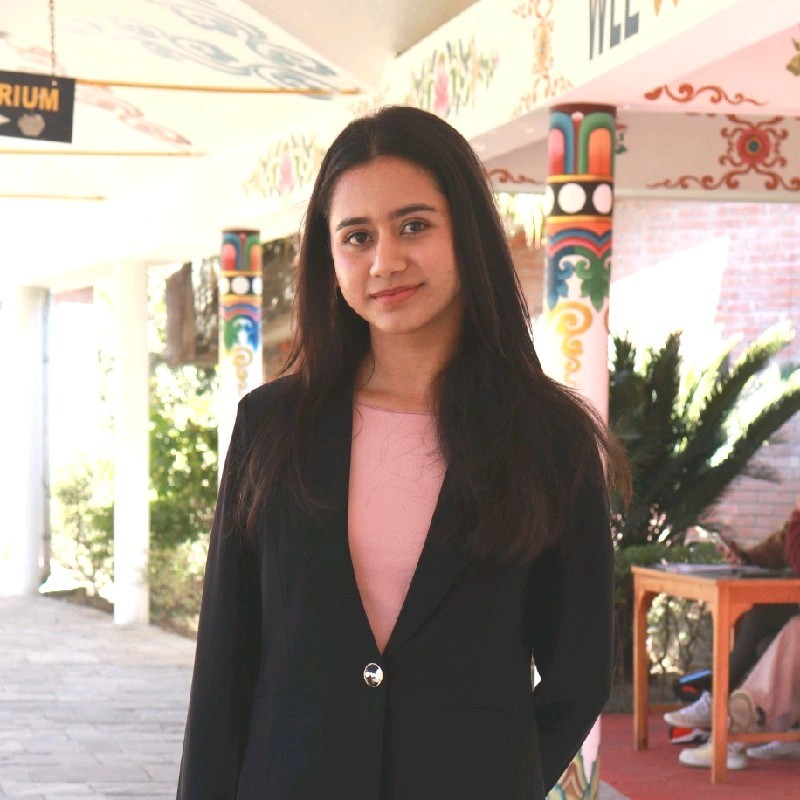
Shreeya Paudyal
Communications Lead.png?width=285&height=272&name=image%20(2).png)
Govinda Lekhak
Focal Point for Kanchanpur Fieldwork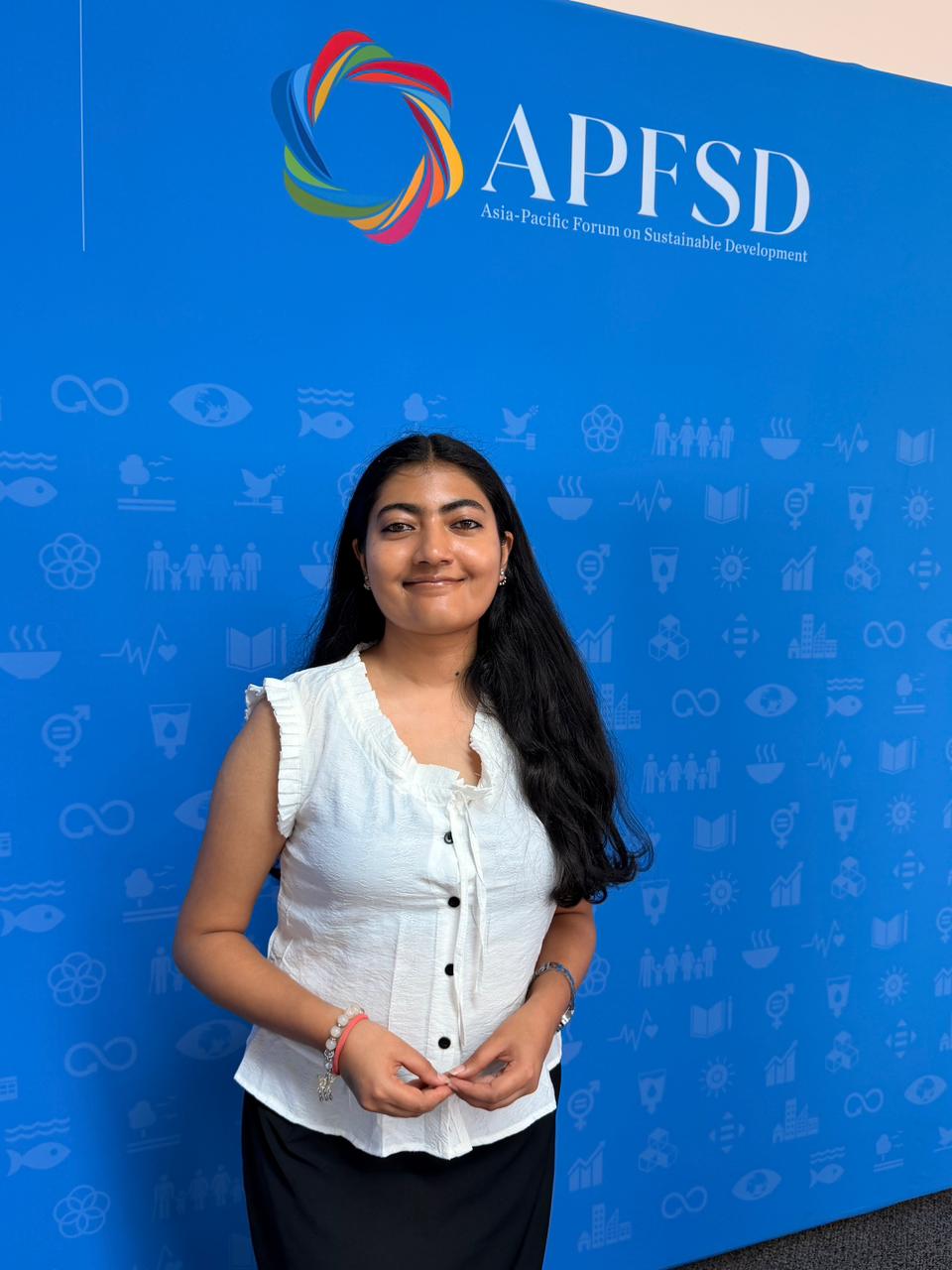
Meet our Founder
Aakriti Pant is a 24-year-old Nepali climate practitioner and researcher based in Kathmandu. She founded ReGen Climate Lab in March 2025, a Nepali social enterprise that builds climate education tools and research rooted in children's and youth's lived experience of environmental disruption. The work has since directly engaged over 210+ children across three districts, and has grown from classroom climate education into local adaptation in Nepal's disaster-prone regions.
She has taken that work into conversations with two local governments, comparing what children already know about climate change against Nepal's official curriculum to show where curriculum and adaptation planning need to change. She was a South Asian Fellow with the Resilience Youth Network in 2025, publishing a capstone on gender-inclusive disaster recovery in Nepal, and at the CEPS Ideas Lab in Brussels she was selected as a Young Climate Leader and co-authored a policy piece on youth participation in climate adaptation.
She is currently a UNICEF Innocenti Youth Fellow on Climate Education (2026–27), contributing to how the Fellowship engages children and young people in climate education globally. Her work has also been recognized by Save the Children, Social Shifters, and BeChangeMaker. She is now building ways to make climate education accessible, equitable, and genuinely embedded in the local systems young people already live inside.